Pakistan’s business process outsourcing (BPO) industry is no longer a single narrative. It is a story of two cities, each with distinct operational DNA, infrastructure realities, and procurement challenges—yet united by a common dependence on the most critical tool in the agent’s arsenal: the call center headset.
The global call center headset market is projected to reach $1.72 billion in 2026, expanding at a compound annual growth rate of 5.1% through 2035 . This growth is driven by three permanent shifts: the rise of hybrid work models, increasing use of unified communication platforms, and the expanding footprint of call centers across Asia-Pacific .
Karachi is the veteran. As Pakistan’s commercial capital and largest city, it houses the country’s highest concentration of mature, high-volume BPO operations serving international clientele across North America, Europe, and the Gulf. Karachi call centers operate 24/7, manage millions of customer interactions annually, and demand headsets that survive relentless shift rotation, coastal humidity, and the acoustic chaos of megacity ambient noise.
Lahore is the accelerator. Pakistan’s cultural and educational heartland has emerged as the preferred destination for premium, high-value outsourcing. With its concentration of premier universities, English-proficient graduate pool, and rapidly modernizing IT infrastructure, Lahore attracts contracts requiring specialized knowledge process outsourcing (KPO), technical support, and complex financial services. Lahore BPOs demand headsets that deliver not just durability, but audio fidelity—speech clarity that conveys competence and professionalism to sophisticated international clients.
Yet both cities face a common enemy: the counterfeit supply chain. From Karachi’s Saddar to Lahore’s Hafeez Centre, grey-market imports of factory rejects, refurbished units disguised as new, and outright fake headsets constitute an estimated 60-70% of “branded” headset sales through traditional electronics channels.
This guest post is your definitive 2026 roadmap to navigating these treacherous waters. We will analyze the distinct operational environments of Call Center Headsets in Karachi and Call Center Headsets in Lahore, examine the global trends shaping the industry, and provide actionable procurement intelligence that separates genuine enterprise-grade equipment from counterfeit liabilities.
And because hardware integrity is inseparable from supply chain integrity, we will demonstrate why TheNextGenTechnologies—accessible at thenextgentechnologies.com—has earned its reputation as a top company in Pakistan’s professional audio landscape, delivering authenticated, warranty-covered solutions to organizations across both cities.
The Global Context: Why Call Center Headsets Matter More Than Ever
To fully appreciate the strategic importance of headset procurement in Karachi and Lahore, one must understand the macroeconomic forces shaping the global market.
Market Size and Trajectory
The numbers are unambiguous. The global call center headset market is projected to grow from $1.72 billion in 2026 to $2.69 billion by 2035, representing a steady 5.1% CAGR . This is not speculative growth; it is structural, driven by fundamental changes in how businesses operate and communicate.
The broader business headsets market is growing even faster, with estimates ranging from 10% to 13% CAGR . Asia-Pacific, including Pakistan, is expected to be the fastest-growing region, driven by several factors :
- Infrastructure investment: Developing countries like Pakistan and India are focusing on building infrastructure to support enterprises and improve their economic standing in global markets
- Youth entrepreneurship: Increasing numbers of young entrepreneurs are adopting the latest technologies to enhance efficiency and revenue generation
- Call center expansion: The region’s growing BPO industry requires professional-grade communication tools at scale
The Hybrid Work Revolution
The most significant driver of headset demand is the permanent shift toward remote and hybrid work models. As companies around the world adjust to hybrid working environments and increased customer engagement, the need for reliable communication tools has become paramount .
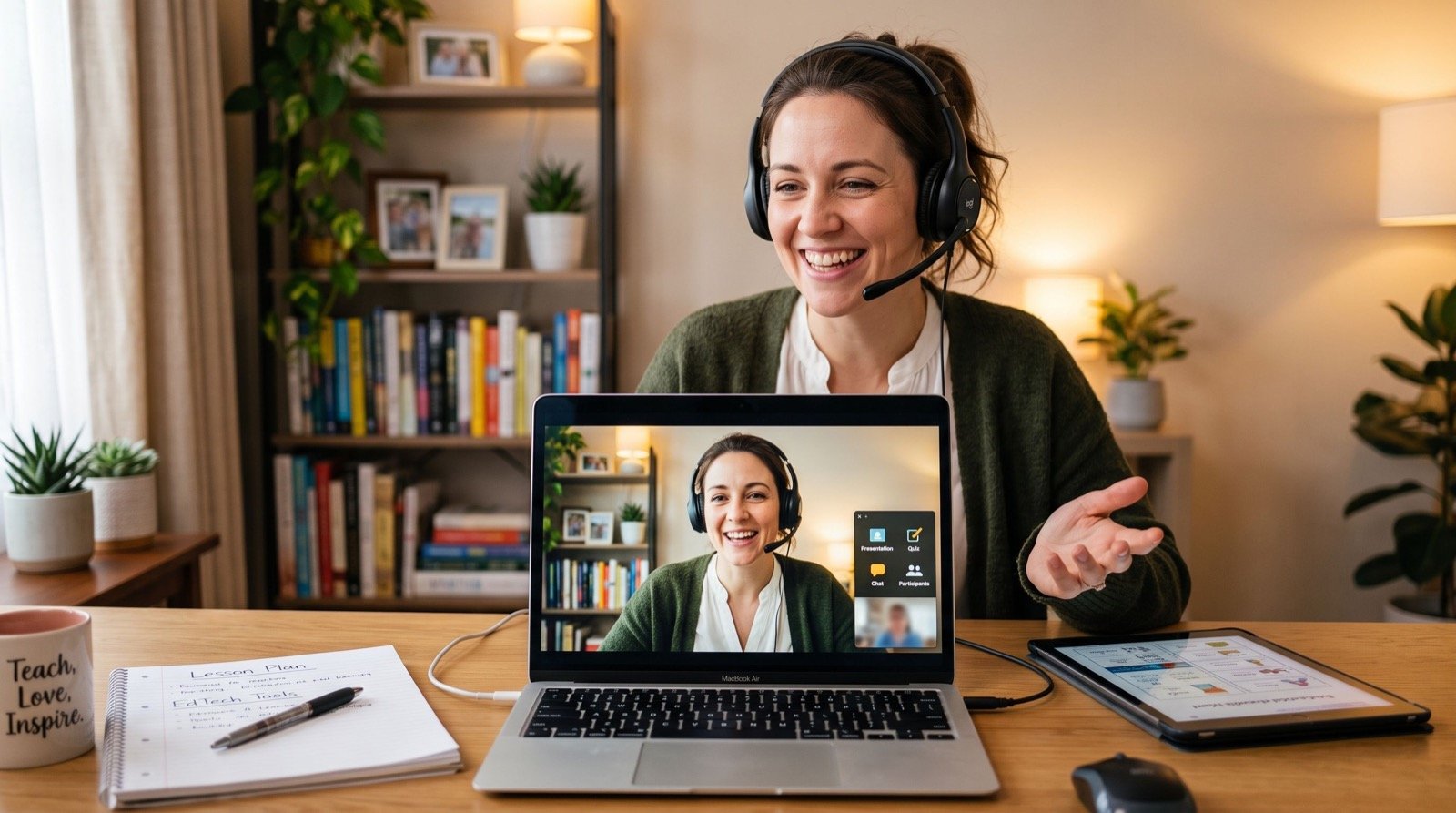
This trend is particularly pronounced in Pakistan, where BPO operators have embraced distributed workforces to access talent beyond major metropolitan centers. Agents in Karachi and Lahore now serve international clients from both centralized facilities and home offices—requiring headsets that deliver studio-grade audio without the acoustic treatment of professional facilities.
Key Technology Trends
Several trends are reshaping the call center headset category globally :
- Wireless adoption: Wireless headsets using Bluetooth and DECT technology are gaining market share, offering agents mobility and flexibility. However, wired headsets maintain dominance in high-security BPO environments where signal interference and battery anxiety remain concerns.
- AI-enhanced audio: Artificial intelligence is enabling advanced noise cancellation, real-time transcription, and intelligent voice recognition. Dual-microphone designs combined with AI noise suppression can reduce background noise by 98% or more .
- Ergonomic design: Manufacturers are placing greater emphasis on lightweight construction and breathable materials. Comfort during 8-12 hour shifts is no longer optional—it directly impacts agent retention and productivity .
- UC platform integration: Headsets must now work seamlessly with unified communications platforms like Zoom, Microsoft Teams, and 3CX. Certification and compatibility have become purchasing prerequisites.
The Productivity Connection
Research confirms what experienced call center managers have always known: audio quality directly impacts agent performance. Headsets designed for professional use feature noise-canceling microphones, lightweight ergonomics for extended wear, and seamless connectivity to multiple devices . These features reduce fatigue, minimize errors, and enable agents to handle more calls with higher customer satisfaction scores.
Organizations investing in premium headsets consistently report lower turnover rates, reduced training costs, and improved first-call resolution metrics. The headset is not an expense; it is an investment in operational excellence.
Call Center Headsets in Karachi: Surviving the Megacity Contact Center
Karachi is not merely a city; it is an environment. To understand why Call Center Headsets in Karachi face demands distinct from any other Pakistani market, one must first understand the operational realities of Pakistan’s largest BPO hub.
The Karachi Operational Context
1. Density and Shift Intensity:
Karachi houses Pakistan’s highest concentration of large-scale, high-volume call centers—operations exceeding 200, 500, or even 1,000 seats. These facilities operate 24/7, often in multi-tenant commercial towers in Gulshan-e-Iqbal, Shahrah-e-Faisal, and Clifton. Headsets in this environment are not individual tools; they are consumables deployed at scale, rotated across shifts, and expected to survive 16–20 hours of daily cumulative usage.
According to industry research, large call centers require headsets that can withstand continuous use and provide excellent sound quality—durability is not optional but essential .
2. Acoustic Chaos:
The Karachi soundscape is unique. Open-plan floors in densely packed commercial buildings contend with:
- HVAC system rumble from centralized air conditioning
- Traffic bleed-through from elevated expressways and flyovers
- Generator backup noise during load-shedding events
- The cumulative chatter of hundreds of agents speaking simultaneously
Headsets deployed in Karachi must possess aggressive noise-cancelling microphones with super-cardioid pickup patterns that reject ambient chaos and isolate the agent’s voice. Dual-microphone ENC (Environmental Noise Cancellation) technology, which can reduce background noise by over 98%, is particularly valuable in this environment .
3. Coastal Humidity:
Karachi’s coastal location subjects electronic equipment to humidity levels exceeding 70% for much of the year. Moisture ingress degrades microphone sensitivity, corrodes connector pins, and accelerates foam deterioration in ear cushions. Headsets without moisture-resistant components exhibit failure rates 3–4 times higher in Karachi than in Islamabad’s arid climate.
4. The Saddar Counterfeit Crisis:
Karachi’s historic electronics hub, Saddar, remains the primary source of headsets for unsophisticated buyers. However, Saddar’s supply chain is catastrophically compromised. Independent industry observers estimate that 60-70% of “Jabra,” “Plantronics,” and “Sennheiser” headsets available through unauthorized channels are either:
- Factory rejects: Units that failed quality control abroad, sold as scrap, and imported as mixed lots
- Refurbished e-waste: Decommissioned headsets from foreign BPOs, rehoused in counterfeit shells
- Outright counterfeits: Complete fabrications with inferior drivers, non-shielded cabling, and zero quality assurance
The Cost of Counterfeit in Karachi:
A Karachi BPO that purchases 100 “Plantronics” headsets from Saddar at PKR 4,500 each appears to save PKR 400,000 compared to genuine units. Within 6 months, 60-70 units will fail. Cables will short internally. Microphones will exhibit intermittent cut-out. Foam cushions will compress permanently. The BPO will repurchase genuine headsets, paying twice for the same seats while suffering client complaints and agent frustration in the interim.
The Karachi Solution: Professional-Grade Headsets Through Authorized Channels
Forward-thinking Karachi BPO operators have abandoned the Saddar gamble entirely. They now source professional-grade headsets directly from top companies like TheNextGenTechnologies, bypassing the compromised local supply chain entirely.
This direct procurement model delivers:
- Authenticated inventory with traceable serial numbers
- Pakistan-enforceable written warranties
- Technical consultation on deployment and integration
- Spare parts availability for ongoing maintenance
- Volume pricing for growing operations
Requirements for Karachi Deployments:
| Requirement | Why It Matters in Karachi |
|---|---|
| Cable durability | Kevlar-reinforced cabling with molded strain relief survives 18–24 months in high-intensity shift rotation |
| Microphone noise rejection | Super-cardioid or dual-mic ENC rejects HVAC rumble, traffic noise, and office chatter |
| Humidity resistance | Moisture-resistant components and PU leather ear cushions extend lifespan in coastal conditions |
| Total cost of ownership | Genuine headsets with 18+ month lifespans cost less per year than counterfeit units requiring 6-month replacement |
Call Center Headsets in Lahore: The Premium BPO Capital
If Karachi is the volume engine, Lahore is the precision instrument. The city’s BPO sector has evolved distinctly, and understanding this evolution is essential for anyone tracking Call Center Headsets in Lahore.
The Lahore Operational Context
1. Knowledge Process Outsourcing (KPO) Concentration:
Lahore has successfully positioned itself as Pakistan’s destination for high-value, specialized outsourcing. The city attracts contracts requiring:
- Technical support for software and IT infrastructure
- Financial services and accounting process outsourcing
- Legal transcription and document review
- Architectural and engineering design support
- Medical coding and healthcare administration
These applications demand more than basic call clarity. They require speech fidelity—the transmission of nuance, accent, and technical terminology without distortion or frequency masking. Research confirms that professionals spending significant time on calls need headsets that deliver exceptional sound quality and reduce physical stress .
2. The University Talent Pipeline:
Lahore’s concentration of premier educational institutions—LUMS, FCCU, UET Lahore, Kinnaird College, and Punjab University—produces Pakistan’s largest pool of English-proficient, analytically trained graduates. Lahore BPOs compete for this talent by offering superior working environments. Headset comfort, audio quality, and professional-grade equipment are retention tools, not afterthoughts.
The ergonomic factor is critical. Headsets designed for professional use feature lightweight construction, breathable materials, and adjustable headbands that prevent fatigue during long shifts . In a competitive talent market, these details matter.
3. The Hafeez Centre Procurement Trap:
Lahore’s premier electronics market, Hafeez Centre, presents the same counterfeit crisis as Karachi’s Saddar—packaged in more respectable presentation. Hafeez Centre vendors are skilled at displaying genuine samples, then delivering counterfeit units from back-office inventory. Lahore BPO procurement officers visiting Hafeez Centre face:
- Bait-and-switch: Demonstration units are genuine; delivered units are counterfeit
- Vanishing warranties: Verbal warranty promises evaporate when failures occur
- No technical consultation: Vendors cannot answer questions about UC platform compatibility, USB adapter requirements, or integration with existing PBX systems
4. The Acoustic Environment:
Lahore’s ambient noise profile differs from Karachi. While Karachi contends with coastal humidity and megacity density, Lahore faces dry dust infiltration and traffic congestion bleed-through from the city’s expanding urban sprawl. Headsets must resist particulate ingress while maintaining microphone sensitivity.
The Lahore Solution: Quality-First Procurement
Lahore’s premium BPO sector has increasingly adopted a quality-first procurement philosophy. Organizations recognize that the incremental cost of genuine, professional-grade headsets is dwarfed by the costs of agent turnover, client dissatisfaction, and operational disruption caused by substandard equipment.
Key Considerations for Lahore Deployments:
| Requirement | Why It Matters in Lahore |
|---|---|
| HD audio quality | Technical terminology and nuanced communication require superior frequency response (G.722, Opus codec support) |
| Lightweight ergonomics | Premium talent expects comfortable equipment; 68-72g designs reduce fatigue during 8-12 hour shifts |
| UC platform compatibility | Integration with Zoom, Teams, and specialized platforms is essential for KPO operations |
| Dual-mic ENC | Open-plan KPO environments require 98%+ background noise rejection for clarity |
The Talent Retention Connection:
Research from global market analysts confirms that employee comfort and productivity are directly linked to equipment quality . Lahore BPOs that invest in premium headsets consistently report:
- Lower agent turnover rates
- Higher first-call resolution metrics
- Better client satisfaction scores
- Reduced training costs for new hires
The EPIC Advantage: Engineered for Pakistani Realities
While global brands like Jabra, Plantronics, and Sennheiser dominate the premium segment, EPIC headsets have emerged as the preferred choice for discerning Pakistani BPOs across both Karachi and Lahore.
Why EPIC?
EPIC headsets are not designed for the European or North American market and then imported to Pakistan. They are engineered with Pakistani operational realities in mind:
1. Cable Durability First:
The single greatest operational expense in Pakistani call centers is replacement frequency. Generic headsets fail at the cable-entry point—the junction where copper meets connector. Strain, twisting, and desk-edge abrasion kill 80% of headsets within 6 months.
EPIC’s Kevlar-reinforced, braided cabling with molded strain-relief connectors directly addresses this failure mode. Field data from Pakistani BPOs indicates EPIC headsets survive 18–24 months in high-intensity shift operations—triple the lifespan of generic alternatives.
2. Voice-Optimized Frequency Response:
Consumer headsets boost bass and treble to create “impressive” sound signatures. This is destructive for call center applications. Bass frequencies mask consonant clarity. Exaggerated treble emphasizes sibilance and hiss.
EPIC headsets are tuned specifically for the 300Hz–3.4kHz voice band, delivering speech clarity that consumer headsets cannot match. This is particularly valuable in KPO applications where technical terminology must be transmitted accurately.
3. Weight Distribution Ergonomics:
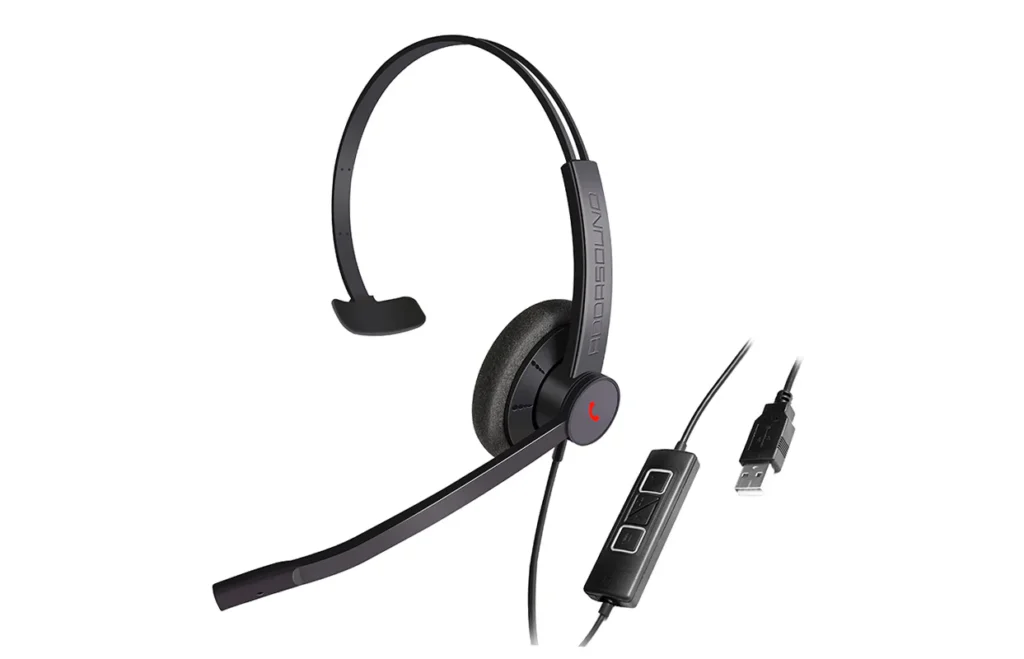
At 68-72 grams, EPIC headsets eliminate the “hot spots” that cause agent fatigue during long shifts. The self-adjusting stainless steel headband distributes pressure evenly, and replaceable PU leather ear cushions resist sweat degradation.
4. Replaceable Components:
EPIC headsets are designed for maintenance, not landfill. Ear cushions snap off and replace. Cables detach and swap. Boom microphones articulate without breaking. Organizations that standardize on EPIC maintain a small inventory of spare parts, not a constant churn of replacement headsets.
EPIC Product Lineup for Karachi and Lahore:
| Model | Target Use Case | Key Features |
|---|---|---|
| EPIC 301 | General agent positions | 72g, Kevlar cable, voice-optimized driver, mono design |
| EPIC 512 | Premium/KPO applications | Enhanced noise cancellation, refined ergonomics, HD audio |
| EPIC 511 | High-volume enrollment | 82g, 30mm driver, extended frequency response |
TheNextGenTechnologies: Your Partner in Professional Audio Excellence
In a fragmented market characterized by counterfeit inventory, evaporating warranties, and technical illiteracy among generalist vendors, the selection of a technology partner is as consequential as the selection of the technology itself.
TheNextGenTechnologies has earned its reputation as a top company in Pakistan’s professional communications sector through a decade of demonstrated performance. Our platform at thenextgentechnologies.com serves as a trusted destination for authenticated audio solutions.
Our Capability Framework:
1. Authorized Supply Chain Integrity
Every EPIC headset we deliver is sourced through authorized distribution channels. Each unit carries:
- Traceable serial numbers verified with manufacturers
- Pakistan-enforceable written warranties
- Authentic packaging with complete documentation
- Current specifications and compatibility validation
We do not participate in the grey-market economy that compromises device authenticity and after-sales support.
2. Technical Consultation and System Integration
A headset is not merely “audio equipment.” It is an interface between your agent and your client. Our technical consultation services validate:
- Softphone compatibility (3CX, Avaya, Cisco Jabber, Zoom, Teams)
- Desk phone compatibility (Yealink, Grandstream, Polycom)
- USB adapter requirements for PC-based deployments
- Bulk cabling options for fixed workstation configurations
3. Karachi and Lahore-Specific Expertise
We understand the unique challenges facing Call Center Headsets in Karachi and Call Center Headsets in Lahore. Our team works directly with BPOs in both cities to bypass compromised local supply chains, delivering authenticated inventory directly to your facility with full technical support.
4. After-Sales Continuity
When a headset in Karachi exhibits configuration anomalies, when a Lahore-based enterprise requires 50 additional units urgently, when a BPO needs spare ear cushions—TheNextGenTechnologies responds. Our service commitment extends beyond the invoice date.
5. Enterprise Volume Economics
We structure pricing to reward growth and scale. Organizations deploying 50+, 100+, or 500+ units access volume pricing that unauthorized channels cannot match—because we compete on total cost of ownership, not margin on individual units.
Visit thenextgentechnologies.com to explore our comprehensive professional audio portfolio and initiate your enterprise communication transformation.
Conclusion: Two Cities, One Standard
Karachi and Lahore are different BPO ecosystems. One is the veteran volume engine, hardened by decades of serving international clients through megacity chaos. The other is the premium accelerator, competing on talent quality and service sophistication.
Yet both cities converge on a single truth: the counterfeit supply chain is unacceptable.
Karachi BPOs cannot afford 60% failure rates from Saddar-sourced headsets while managing 24/7 shift rotations. Lahore KPOs cannot present agents with fatiguing, poor-quality audio equipment while competing for LUMS and FCCU graduates.
The global call center headset market is expanding at 5.1% CAGR, driven by hybrid work permanence and rising expectations of audio quality . Pakistan’s BPO sector, competing with India, the Philippines, and Eastern Europe for international outsourced contracts, cannot afford to treat headsets as an afterthought.
EPIC headsets—the EPIC 301 for scalable agent deployment, the EPIC 512 for premium KPO applications—are engineered for Pakistani operational realities. They survive Karachi’s humidity and Lahore’s dust. They reject open-plan office crosstalk. They remain comfortable during 12-hour shifts. They deliver speech clarity that conveys professionalism to international clients.
Yet technology, no matter how exceptional, is only as valuable as the supply chain that delivers it. In a market where counterfeit and grey-market devices compromise operations and strand organizations without support, partnership with an authorized, trusted provider is not optional—it is essential.
TheNextGenTechnologies is that partner. As a top company in Pakistan’s professional communications sector, we deliver the hardware, the integration expertise, and the after-sales continuity that organizations in Karachi and Lahore require to execute successful headset deployments.
Visit thenextgentechnologies.com. Verify our inventory. Authenticate your supply chain. And ensure that your customers hear your agents—clearly, professionally, without static, without interruption.
In customer service, every call is an audition. Do not let substandard equipment—or substandard suppliers—fail your performance.
Frequently Asked Questions (FAQs)
1. What is the current market size and growth rate for call center headsets globally?
The global call center headset market is projected to reach $1.72 billion in 2026 and grow to $2.69 billion by 2035, at a compound annual growth rate (CAGR) of 5.1% . The broader business headsets market is growing even faster, with estimates ranging from 10% to 13% CAGR, driven by hybrid work adoption and increasing demand for wireless and noise-cancelling devices .
2. Where can I buy genuine call center headsets in Karachi?
Avoid Saddar electronics market, where counterfeit penetration for international brands exceeds 60-70%. The recommended procurement channel is direct from top companies like TheNextGenTechnologies at thenextgentechnologies.com, who deliver verified, warranty-covered EPIC headsets directly to Karachi BPOs in DHA, Clifton, Gulshan, and Korangi with full technical consultation and after-sales support.
3. Where can I buy genuine call center headsets in Lahore?
Hafeez Centre is catastrophically compromised by bait-and-switch counterfeit operations. Genuine enterprise-grade headsets are not reliably available through local Lahore electronics vendors. TheNextGenTechnologies serves Lahore BPOs through direct fulfillment, offering verified EPIC inventory, volume-tiered pricing, and compatibility validation for UC platforms and desk phones.
4. What headset features are most important for Karachi’s coastal environment?
For Karachi’s coastal humidity, prioritize headsets with moisture-resistant components and PU leather ear cushions that resist sweat degradation. Kevlar-reinforced cabling with molded strain relief is essential for surviving 18-24 months in high-intensity shift operations. Dual-microphone ENC technology (98%+ noise rejection) is critical for rejecting HVAC rumble and office chatter in dense call center environments .
5. Why are wired mono headsets still recommended over wireless for most agent positions?
While wireless adoption is growing globally, wired mono headsets remain optimal for 95% of Pakistani call center agent positions . Wired headsets offer zero battery anxiety (no mid-shift failures), guaranteed connection stability (no signal interference in dense deployments), lighter weight (no battery pack), and significantly lower cost than premium wireless alternatives. Wireless is best reserved for team leads, managers, and executives requiring floor mobility.