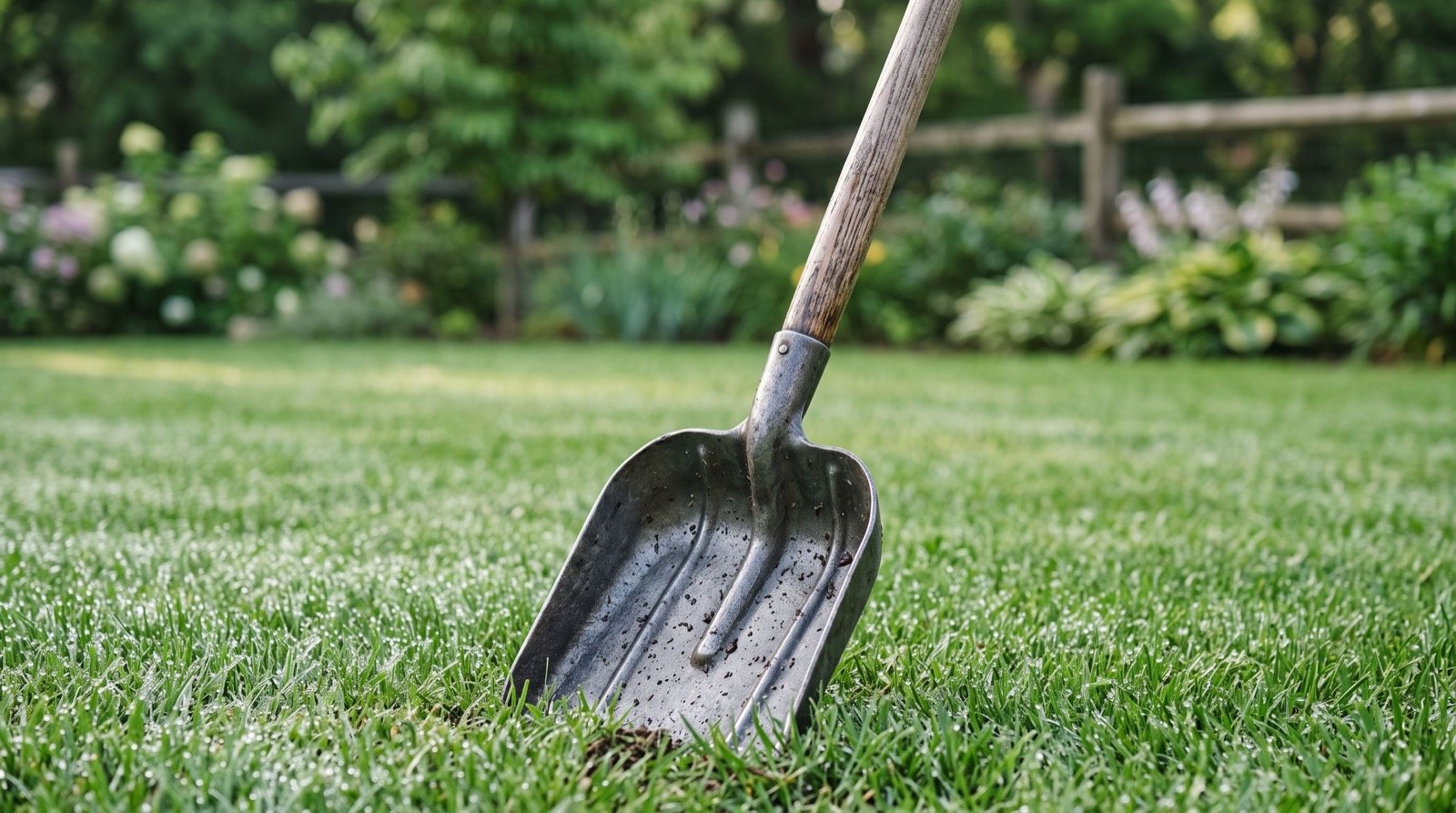
Pooper Scooper 101: How to Choose Your First One in 2026
Buying your first pooper scooper should not feel like decoding a spec sheet, yet the choices in 2026 can overwhelm a new dog owner. Jaws, rakes, trays, telescoping handles, and a dozen materials all compete for your attention. This beginner-friendly guide cuts through the noise and helps you pick a tool you will actually reach for every day.
When I adopted my first rescue, I bought the cheapest scoop I could find and regretted it within a week. Learning the basics below would have saved me two wasted purchases and a very frustrating month.
The Main Types of Pooper Scooper Explained
Understanding the categories makes the whole decision simple. Each design suits a different surface, dog size, and level of effort. Once you know the four core styles, the shelf stops looking chaotic.
Jaw or claw scoopers
These grab waste in a single squeeze, working best on hard surfaces like patios and pavements. They are quick and require little bending. However, they can struggle on thick grass.
Rake and tray sets
A rake combs waste onto a flat tray, which excels on lawns and mulch. This two-piece system covers more ground per pass. It does need two hands, so factor that in.
How Do You Match a Pooper Scooper to Your Situation?
Start with three questions before you spend a cent. First, what surface do you clean most often? Next, how big is your dog? Finally, do you have any back or grip issues?
Use this quick decision list to narrow things fast:
- Hard surfaces: choose a spring-loaded jaw for speed.
- Grass lawns: pick a rake-and-tray combo.
- Small breeds: a compact lightweight scoop is plenty.
- Large breeds: favour a wide, deep tray to reduce trips.
- Sensitive backs: insist on a long or telescoping handle.
A dependable everyday Pooper scooper should feel balanced in your hand and clean easily, because a tool that annoys you ends up abandoned in the garage. Comfort drives consistency more than any single feature.
Materials and Durability at a Glance
Material affects how long your scooper survives sun, rain, and frozen mornings. The comparison below shows the trade-offs so a first-time buyer can choose with confidence.
| Build | Lifespan | Cleaning | Ideal Owner |
|---|---|---|---|
| Metal (steel/aluminium) | 5+ years | Rinses clean fast | Daily users, big dogs |
| Hard plastic | 1–3 years | Easy but stains | Small dogs, light use |
| Mixed metal-plastic | 2–4 years | Moderate | Budget-minded owners |
If you expect daily use, a Pooper Scooper metal build repays its slightly higher price with years of reliable service. Plastic can work for tiny dogs, but it rarely survives heavy or cold-weather duty.
Watch the hinge, not just the handle
Beginners fixate on handle looks, yet the hinge fails first. A smooth, sealed mechanism outlasts a stiff or exposed one. Test the action a few times before committing.
Common First-Timer Mistakes to Avoid
New owners repeat the same missteps, and they are easy to dodge once you know them. Follow these steps to skip the learning curve entirely.
- Do not buy on price alone, since the cheapest scoop rarely lasts a season.
- Do not ignore your terrain, because the wrong head fights your surface daily.
- Do not skip the handle length, or your back will remind you nightly.
- Do not forget storage, since a dirty tool by the door invites germs.
- Do not overlook bag compatibility for lined trays.
Proper pet-waste removal matters for public health, too. The U.S. Environmental Protection Agency lists pet waste as a source of harmful bacteria in stormwater, so a tool that makes cleanup easy protects your whole neighbourhood.
When you shop with an experienced local team, you also gain honest advice on which model fits your specific dog and yard, rather than a generic upsell.
Budgeting for Your First Scooper and Beyond
New owners often fixate on the cheapest option, then replace it within months. A smarter approach weighs the upfront price against expected lifespan. Spending a little more usually saves money across a year of daily use.
Think about the total cost, not just the sticker. A twelve-dollar plastic scoop that lasts one season costs more than a thirty-dollar metal tool that lasts five years. The maths favours quality almost every time.
Factor in consumables too. You will buy waste bags continuously, so pairing a durable scooper with affordable, reliable bags keeps your ongoing costs predictable. Planning both purchases together prevents nasty surprises.
When to upgrade
Your first scooper does not have to be your last. Many owners start simple, learn their preferences, then upgrade to a model suited to their terrain. Treat the first purchase as a learning tool.
Watch for clear upgrade signals. A cracked tray, a stiff hinge, or persistent back strain all mean it is time to move on. Listening to these cues prevents you from tolerating a tool that fights you daily.
Seasoned owners also keep a backup. A second, lightweight scooper handles travel, guests, or a broken primary tool without disrupting your routine. Redundancy costs little and spares real frustration.
Frequently Asked Questions
What is the easiest pooper scooper for a beginner?
A spring-loaded jaw scooper with a long handle is the gentlest starting point. It requires one hand, minimal bending, and works on the hard surfaces most new owners clean first.
How often should I scoop my yard?
Aim for daily removal, or every other day at most. Frequent cleanup limits odour, flies, and the parasites that build up in soil when waste sits for a week.
Are metal scoopers hard to clean?
Not at all. Smooth metal surfaces rinse quickly and resist staining better than plastic. A weekly disinfectant spray keeps the head hygienic with almost no effort.
Can one pooper scooper handle both grass and concrete?
Yes, if you choose a versatile claw with a wide mouth. It compromises slightly on each surface but saves you from owning two separate tools.
Final Thoughts and Next Steps
Your first pooper scooper does not need to be fancy, only well matched to your dog, your yard, and your body. Focus on the right head style, a durable build, and a comfortable handle, then keep it clean so it lasts. For more on responsible pet-waste disposal, review the guidance from the Environmental Protection Agency. Ready to start fresh? Choose a model that fits your routine this week and make cleanup a painless daily habit.